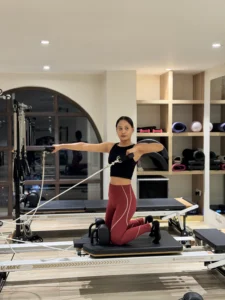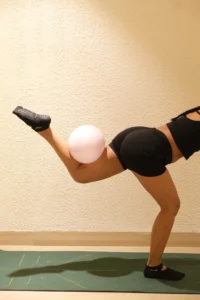
Introduction
Knee pain is one of the most common musculoskeletal complaints affecting people of all ages. Whether caused by prolonged sitting, sports injuries, arthritis, muscle imbalances, obesity, poor posture, or ageing, knee discomfort can significantly impact daily life. Simple activities such as walking, climbing stairs, exercising, or even standing for long periods may become challenging.
As people search for safe and effective ways to manage knee pain, Pilates has emerged as a popular low-impact exercise method. Known for improving strength, flexibility, posture, and body awareness, Pilates is increasingly recommended by physiotherapists, fitness professionals, and rehabilitation specialists.
But does Pilates actually help with knee pain?
The answer is yes—in many cases, Pilates can help reduce knee pain, improve joint stability, strengthen supporting muscles, and enhance overall movement patterns. Research suggests that Pilates may reduce pain and improve physical function in individuals with knee osteoarthritis and other knee-related conditions, although it should be performed correctly and tailored to the individual’s needs.
This comprehensive guide explores how Pilates helps with knee pain, the science behind it, who can benefit, recommended exercises, precautions, and how to start safely.
Understanding Knee Pain
The knee is one of the largest and most complex joints in the human body. It bears body weight while allowing movement such as bending, straightening, walking, running, and jumping.
The knee joint relies on:
- Bones
- Cartilage
- Ligaments
- Tendons
- Muscles
- Synovial fluid
When any of these structures become damaged, inflamed, or weakened, pain may occur.
Common Causes of Knee Pain
Osteoarthritis
The gradual wear and tear of cartilage causes stiffness, swelling, and pain.
Patellofemoral Pain Syndrome
Often called “runner’s knee”, this condition causes pain around the kneecap.
Meniscus Injuries
Damage to the knee’s shock-absorbing cartilage can lead to pain and instability.
Ligament Injuries
ACL, PCL, MCL, or LCL injuries often occur during sports activities.
Muscle Weakness
Weak hips, glutes, quadriceps, and hamstrings can place excessive stress on the knee.
Poor Movement Patterns
Improper walking, running, or exercise techniques can overload the joint over time.
In many cases, knee pain is not solely a knee problem. The root cause often lies in weakness or imbalance elsewhere in the body.
This is where Pilates becomes particularly valuable.
What Is Pilates?
Pilates is a low-impact exercise system developed by Joseph Pilates in the early 20th century. It focuses on:
- Core strength
- Alignment
- Controlled movement
- Breathing
- Flexibility
- Balance
- Stability
Unlike high-impact workouts that place significant force on joints, Pilates emphasises smooth, controlled movements that strengthen the body while minimising stress on the knees.
Pilates can be practised through the following:
- Mat Pilates
- Reformer Pilates
- Clinical Pilates
- Rehabilitation Pilates
Because exercises can be modified to suit different fitness levels and physical limitations, Pilates is widely used in injury prevention and recovery programmes.
How Pilates Helps Reduce Knee Pain
1. Strengthens Supporting Muscles
The knee depends heavily on surrounding muscles for stability.
These include:
- Quadriceps
- Hamstrings
- Gluteal muscles
- Calves
- Hip stabilizers
Weak muscles force the knee joint to absorb excessive stress during daily activities.
Pilates targets these muscle groups through controlled resistance exercises, improving support around the knee and reducing joint strain.
2. Improves Joint Alignment
Poor alignment is a major contributor to chronic knee pain.
When hips, ankles, or feet are misaligned, the knee often compensates, leading to uneven pressure across the joint.
Pilates emphasises proper body mechanics and alignment, helping individuals move more efficiently and reducing unnecessary stress on the knees.
3. Enhances Core Stability
Many people are surprised to learn that core strength affects knee health.
A weak core can lead to:
- Poor posture
- Unstable movement patterns
- Increased pressure on the knees
Pilates strengthens deep abdominal and spinal muscles, creating a stable foundation for movement and helping distribute forces more evenly throughout the body.
4. Improves Flexibility
Tight muscles around the hips and legs can alter knee mechanics.
Common tight areas include:
- Hamstrings
- Hip flexors
- Calves
- IT band
Pilates incorporates gentle stretching techniques that improve mobility and reduce excessive tension around the knee joint.
5. Develops Better Balance and Coordination
Poor balance increases injury risk and joint stress.
Pilates trains:
- Proprioception
- Coordination
- Neuromuscular control
Improved balance helps the body move more efficiently and reduces the likelihood of awkward movements that can aggravate knee pain.
6. Low-Impact Yet Effective
Unlike running or jumping exercises, Pilates offers a low-impact alternative that strengthens muscles without excessive joint loading.
This makes it particularly suitable for:
- Older adults
- People with arthritis
- Individuals recovering from injuries
- Beginners returning to exercise
What Does Research Say?
Recent systematic reviews and meta-analyses suggest that Pilates may help reduce pain and improve physical function in people with knee osteoarthritis. Studies have found improvements in pain levels, mobility, balance, and quality of life when compared with no exercise intervention.
Research comparing Pilates with other exercise programmes indicates that Pilates performs similarly to many conventional rehabilitation exercises while offering additional benefits related to body awareness, flexibility, and movement control.
A large network meta-analysis involving thousands of participants found Pilates to be among the most effective mind-body exercise approaches for reducing pain and improving physical function in people with knee osteoarthritis.
These findings support Pilates as a valuable component of a comprehensive knee pain management strategy.
Conditions That May Benefit from Pilates
Knee Osteoarthritis
Pilates can improve:
- Joint function
- Mobility
- Balance
- Pain management
Patellofemoral Pain Syndrome
Strengthening the hips and quadriceps may improve kneecap tracking and reduce discomfort.
Post-Injury Rehabilitation
Many physiotherapists incorporate Pilates during recovery from:
- ACL injuries
- Meniscus surgery
- Ligament sprains
Chronic Knee Weakness
Pilates helps restore strength and confidence in movement.
Age-Related Joint Stiffness
Gentle mobility exercises can improve flexibility and daily function.
Best Pilates Exercises for Knee Pain
Pelvic Tilt
Benefits:
- Activates core muscles
- Improves pelvic alignment
- Reduces lower-body compensation patterns
Bridge
Benefits:
- Strengthens glutes
- Activates hamstrings
- Supports knee stability
Clamshells
Benefits:
- Strengthens hip stabilizers
- Improves knee alignment
- Reduces inward knee collapse
Side Leg Lifts
Benefits:
- Strengthens hips
- Enhances balance
- Supports proper movement mechanics
Heel Slides
Benefits:
- Improves knee mobility
- Encourages smooth joint movement
- Reduces stiffness
Leg Circles
Benefits:
- Improves hip stability
- Enhances control
- Supports knee function indirectly
Wall Squats (Modified)
Benefits:
- Builds quadriceps strength
- Improves joint support
- Can be adjusted according to comfort level
Pilates Exercises to Approach with Caution
Not every Pilates exercise is appropriate for every individual.
Those experiencing significant knee pain should be cautious with the following:
- Deep squats
- Kneeling exercises
- High-resistance legwork
- Advanced lunges
- Jump-board reformer exercises
Modifications are often necessary to avoid aggravating symptoms.
A qualified Pilates instructor or physiotherapist can help tailor exercises accordingly.
Pilates vs Other Forms of Exercise for Knee Pain
Pilates vs Running
Pilates places significantly less impact on the knee joint while still improving strength and stability.
Pilates vs Weight Training
Weight training can be highly effective but may involve heavier joint loading. Pilates offers a gentler alternative for some individuals.
Pilates vs Yoga
Yoga focuses more on flexibility and static postures, while Pilates places greater emphasis on core control and movement mechanics.
Pilates vs Physiotherapy
Physiotherapy addresses specific diagnoses and rehabilitation goals, while Pilates can complement physiotherapy by improving long-term strength and movement quality.
Benefits Beyond Knee Pain
Pilates offers numerous additional health benefits.
Improved Posture
Better posture helps distribute forces evenly across joints.
Increased Flexibility
Regular practice enhances muscle length and joint mobility.
Better Balance
Reduced fall risk is especially important for older adults.
Stronger Core
A stable core improves overall movement efficiency.
Reduced Stress
Mindful breathing and controlled movement promote relaxation and mental well-being.
Enhanced Body Awareness
People become more aware of movement habits that may contribute to pain.
How Often Should You Do Pilates?
For individuals managing knee pain, most professionals recommend:
Beginners
- 2–3 sessions per week
- 20–40 minutes per session
Intermediate Participants
- 3–5 sessions per week
- 45–60 minutes per session
Consistency is more important than intensity.
Regular practice typically produces noticeable improvements within several weeks.
Who Should Avoid Pilates?
Although Pilates is generally safe, some individuals should seek professional guidance before beginning.
These include people with:
- Recent knee surgery
- Severe ligament injuries
- Acute inflammation
- Advanced osteoarthritis
- Significant joint instability
Medical clearance may be necessary before starting a new exercise programme.
Tips for Starting Pilates with Knee Pain
Choose Beginner-Friendly Classes
Look for classes specifically designed for rehabilitation or joint health.
Inform Your Instructor
Always discuss your condition before participating.
Focus on Technique
Quality of movement matters more than repetitions.
Progress Gradually
Avoid pushing through pain.
Use Modifications
Props and adjustments can make exercises safer and more comfortable.
Combine with Professional Care
Pilates works best as part of a comprehensive treatment plan that may include physiotherapy, weight management, and medical advice.
Common Myths About Pilates and Knee Pain
Myth 1: Pilates Is Only for Flexibility
Pilates develops strength, stability, coordination, and control in addition to flexibility.
Myth 2: Knee Pain Means You Should Avoid Exercise
Appropriate exercise is often one of the best treatments for chronic knee pain.
Myth 3: Pilates Is Too Easy to Be Effective
Pilates can be highly challenging while remaining joint-friendly.
Myth 4: Pilates Is Only for Women
Pilates benefits people of all ages and genders.
Myth 5: Results Are Immediate
Meaningful improvements typically occur through consistent practice over time.
Creating a Long-Term Knee Health Strategy
While Pilates can significantly improve knee function, the best results occur when combined with healthy lifestyle habits.
These include:
- Maintaining a healthy body weight
- Staying physically active
- Wearing supportive footwear
- Improving posture
- Managing stress
- Following professional medical advice
- Practicing regular strength and mobility exercises
A holistic approach provides the greatest chance of long-term success.
Conclusion
So, does Pilates help with knee pain?
For many individuals, the answer is yes. Pilates can strengthen the muscles that support the knee, improve alignment, increase flexibility, enhance balance, and reduce stress on the joint. Research indicates that Pilates may help reduce pain and improve physical function, particularly in individuals with knee osteoarthritis and chronic knee discomfort.
Because Pilates is low-impact and highly adaptable, it offers a safe and effective exercise option for people seeking better knee health without placing excessive strain on their joints. When practiced consistently and with proper guidance, Pilates can become a valuable tool for managing knee pain, improving mobility, and supporting an active, healthier lifestyle.
Get in Touch with Ritual Centre
We’re here to support your wellness journey through expert Pilates training and personalised guidance. Whether you’re looking to improve strength, manage pain, enhance mobility, or begin your fitness journey, our team is ready to help.
Call Us
+91 69130 30757
Email Us
Visit Our Studio
Begin your journey towards better movement, improved strength, and a healthier lifestyle with Ritual Centre.