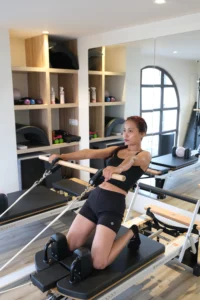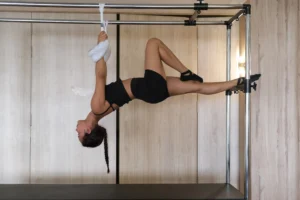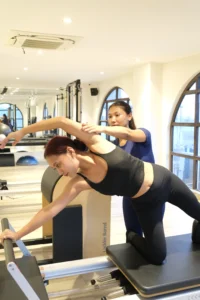
Weight loss is not just about spending hours at the gym or following a strict diet. Finding an exercise routine that you enjoy, can maintain consistently, and that supports your overall fitness is equally important. Pilates is one form of exercise that has gained attention for its focus on controlled movements, core strength, flexibility, balance, and body awareness.
But does Pilates help with weight loss?
Yes, Pilates can support weight loss as part of a balanced fitness routine. It builds muscular strength, improves movement control, and supports overall physical activity. However, weight loss depends on several factors, including nutrition, exercise frequency, daily activity, sleep, and individual health.
For people looking for a sustainable way to become more active, Pilates offers a structured approach to movement without relying entirely on high-impact exercise.
At Ritual Wellness Centre in Khanapara, Guwahati, Pilates can be part of a mindful fitness routine focused on building strength, improving mobility, and developing a healthier relationship with movement.
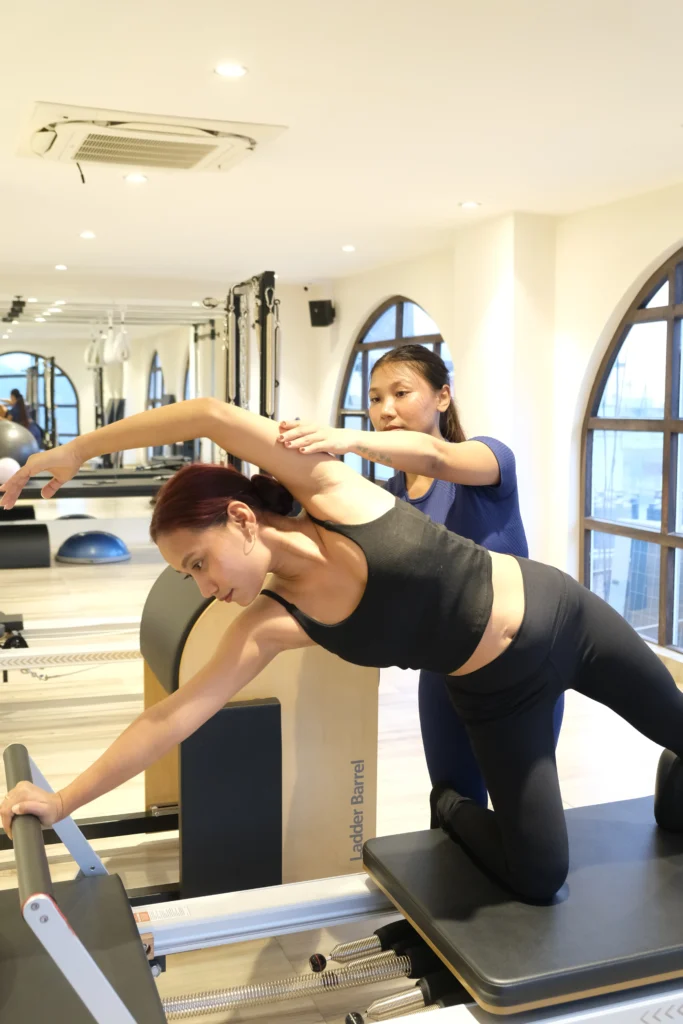
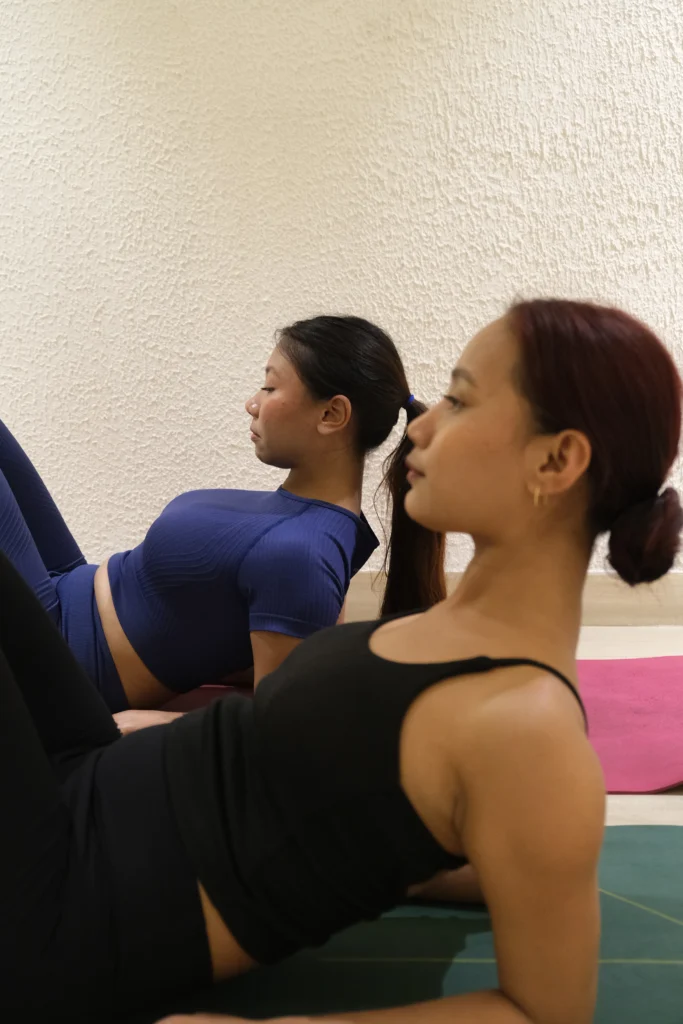
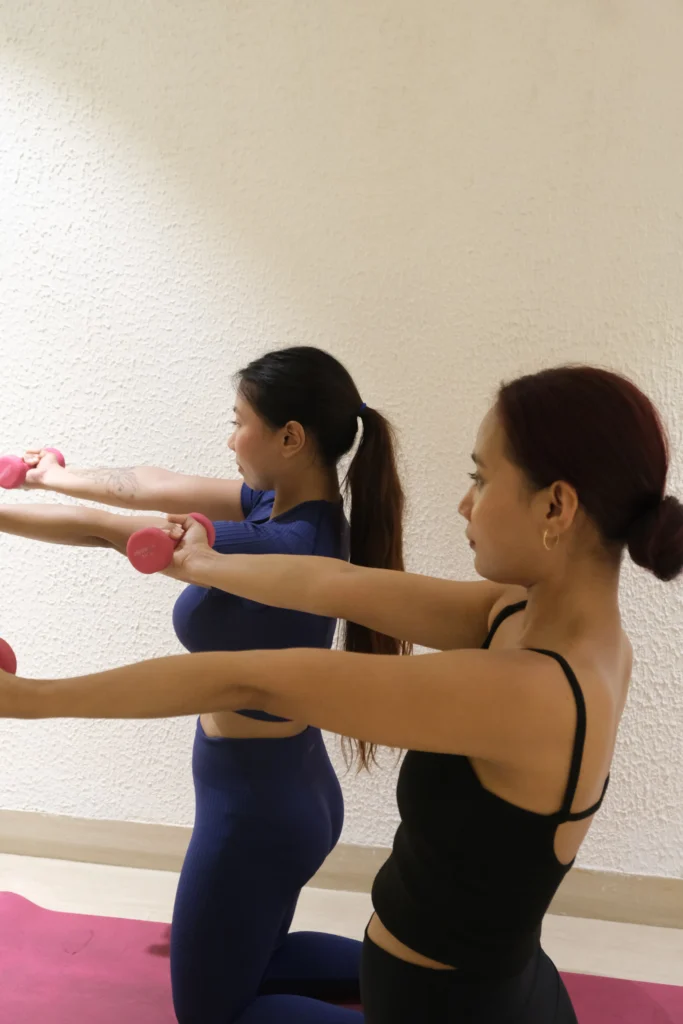
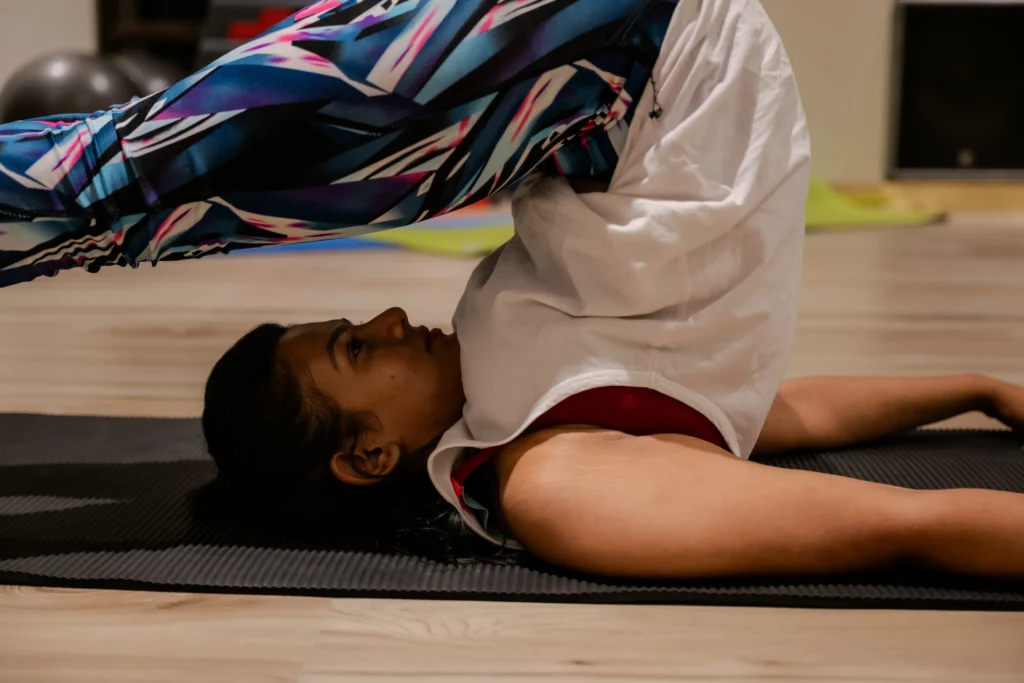
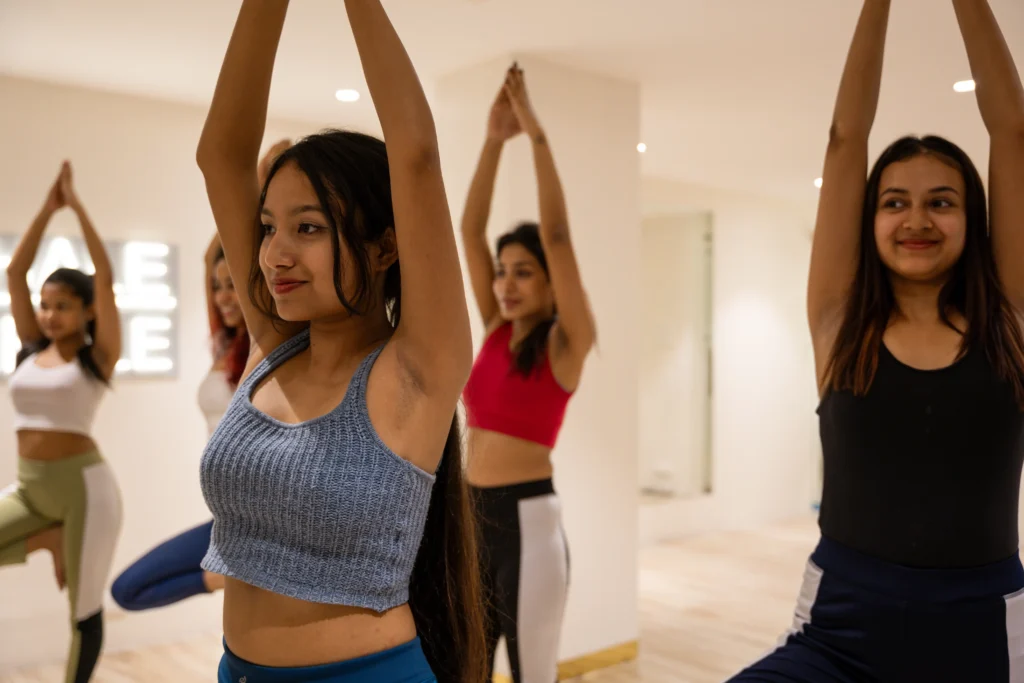
Does Pilates Help with Weight Loss?
Pilates can contribute to weight loss by increasing physical activity and helping develop muscular strength. However, it is not a guaranteed or instant weight-loss solution.
Weight loss generally occurs when the body uses more energy than it receives over time. Pilates contributes to energy expenditure, while its strength-building and movement benefits can support a broader fitness programme.
Here is how Pilates can help:
- Increases physical activity: Pilates sessions add purposeful movement to your weekly routine.
- Builds muscular strength: Many exercises engage the abdominal muscles, glutes, back, and legs.
- Supports better movement: Improved coordination, balance, and mobility can make everyday activities easier.
- Encourages consistency: A suitable Pilates routine can help people establish a regular exercise habit.
- Complements other workouts: Pilates can be combined with walking, cycling, swimming, or strength training.
The number of calories burnt during a session varies according to exercise intensity, session duration, body size, fitness level, and the type of Pilates performed.
It is important to remember that Pilates alone does not guarantee weight loss. A balanced diet, sufficient sleep, and regular physical activity all play important roles.
How Does Pilates Support Weight Management?
Pilates supports weight management through several connected aspects of physical fitness. Although its main focus is controlled movement rather than maximum calorie burning, it can be a useful part of a long-term health routine.
1. Builds Core Strength
Core strength is one of the best-known benefits of Pilates. Exercises often engage the abdominal muscles, back muscles, and muscles around the pelvis.
A stronger core can support balance, posture, and movement control. This may help you perform daily activities and other forms of exercise with greater confidence.
However, stronger abdominal muscles do not automatically mean less belly fat. Fat loss occurs throughout the body according to individual physiology, and targeted exercises cannot guarantee fat loss in a specific area.
2. Helps Develop Lean Muscle Strength
Pilates uses controlled movements and, depending on the class, resistance from body weight, springs, or equipment.
Regular practice can improve muscular endurance and strength. Maintaining muscle is an important part of overall fitness, especially when combined with appropriate nutrition and other resistance exercises.
The extent of muscle development depends on training frequency, exercise intensity, progression, and individual factors.
3. Improves Flexibility and Mobility
Limited mobility can make exercise feel uncomfortable or difficult. Pilates includes movements that take joints through controlled ranges of motion and encourage body awareness.
Improved flexibility and mobility may make it easier to participate in activities such as walking, recreational sports, and strength training.
Although flexibility itself does not directly cause substantial weight loss, it can support a more varied and sustainable approach to exercise.
4. Encourages a Consistent Exercise Routine
Consistency matters more than choosing a workout that promises rapid results.
Some people prefer Pilates because it combines focused movement, breathing, coordination, and strength work in a structured session. Finding a suitable class and schedule can make regular exercise easier to maintain.
For beginners, starting at an appropriate level and gradually progressing can help build confidence.
5. Supports Mindful Movement and Stress Management
Pilates often emphasises breathing, concentration, and controlled movement. These elements can provide an opportunity to step away from daily distractions and focus on the body.
Stress and poor sleep can affect eating habits, energy levels, and exercise consistency. Pilates may support relaxation and general well-being, although its effects vary between individuals.
Pilates should not be presented as a direct fat-burning treatment or a substitute for professional care when stress or sleep problems require medical attention.
How Much Weight Can You Lose with Pilates?
There is no single amount of weight that everyone can expect to lose through Pilates.
Results depend on factors such as:
- Your starting weight and body composition.
- How frequently and intensely you exercise.
- Your overall diet and portion sizes.
- How active you are outside your Pilates sessions.
- Sleep quality, stress, and individual health factors.
- Whether you combine Pilates with other forms of exercise.
For some people, progress may first appear as improved strength, better balance, greater flexibility, or increased confidence during movement rather than a change on the weighing scale.
It is also possible to become stronger and improve body composition without experiencing a large change in total body weight.
Instead of judging progress by weight alone, consider tracking your exercise consistency, energy levels, strength, mobility, and how comfortably you perform daily activities.
How Often Should You Do Pilates for Weight Loss?
The right frequency depends on your experience, fitness level, schedule, and recovery needs.
For someone new to Pilates, beginning with two or three appropriately supervised sessions per week may be a reasonable starting point, provided the sessions suit their individual needs.
Here is an example of how Pilates can fit into a weekly fitness routine:
| Day | Suggested activity |
|---|---|
| Monday | Pilates session |
| Tuesday | Brisk walking or another enjoyable activity |
| Wednesday | Pilates session |
| Thursday | Walking or light movement |
| Friday | Pilates or a suitable strength workout |
| Saturday | Recreational physical activity |
| Sunday | Rest or gentle movement |
This is only an example, not a mandatory schedule. You can adjust it according to your fitness level, available time, and recovery.
For broader health benefits, the World Health Organization recommends that adults generally aim for 150–300 minutes of moderate-intensity aerobic activity per week, alongside muscle-strengthening activities on at least two days per week. Pilates can contribute to strength and physical activity, but it may not replace the full aerobic activity recommendation, depending on the class intensity.
If you are returning to exercise after a long break, begin gradually and seek qualified guidance when needed.
Pilates for Beginners: What Should You Expect?
If you have never attended a Pilates class, it is natural to wonder whether you need prior experience or a high level of flexibility.
The good news is that many Pilates classes offer beginner-friendly modifications. You do not need to master advanced movements before you start.
During a typical session, you may experience:
Controlled warm-up movements: These help you become familiar with your breathing, posture, and body positioning.
Core-focused exercises: Movements may involve the abdominal muscles, back, hips, and pelvis.
Strength and mobility work: Depending on the class, exercises may focus on balance, flexibility, coordination, and controlled resistance.
Breathing and movement awareness: You may be guided to coordinate breathing with movement rather than rushing through repetitions.
Cool-down and recovery: Gentle movements may help you transition out of the session.
The exact structure depends on the instructor, class format, and equipment used. Your instructor should help you understand the movements and provide appropriate modifications.
If you have an injury, persistent pain, or a medical condition that may affect exercise, discuss your needs with a qualified healthcare professional before beginning.
Pilates vs Gym Workouts for Weight Loss
Pilates and gym workouts can both contribute to a fitness routine, but they serve different purposes depending on how they are programmed.
| Feature | Pilates | Gym-based training |
|---|---|---|
| Main focus | Controlled movement, core strength, balance, and mobility | Depends on the programme; may include resistance and cardiovascular training |
| Strength development | Uses body weight, resistance, or equipment | Can use progressive weights and resistance machines |
| Calorie expenditure | Varies by session and intensity | Varies by exercise selection and intensity |
| Flexibility and mobility | Often integrated into sessions | Can be included through dedicated mobility work |
| Best approach for weight loss | Works well as part of a balanced routine | Can support weight loss through resistance and cardiovascular exercise |
Neither option is automatically better for everyone. If your goal is weight loss, choose activities you can perform consistently and combine them with suitable nutrition and overall physical activity.
Some people benefit from combining Pilates with walking or resistance training rather than relying on a single type of workout.
Is Pilates Good for Belly Fat?
Pilates can strengthen the abdominal muscles and improve core control, but it cannot selectively remove belly fat.
The body does not reliably lose fat from a specific area simply because the muscles in that area are exercised. Changes in abdominal fat depend on overall energy balance, genetics, hormones, age, and other individual factors.
If your goal is to reduce body fat, focus on a sustainable combination of physical activity, balanced nutrition, adequate sleep, and consistent habits.
Pilates can be one component of that approach while helping you work on strength, balance, and movement quality.
How to Choose the Right Pilates Class in Guwahati
Choosing a suitable studio is important, particularly if you are new to Pilates or want to establish a regular fitness routine.
Before enrolling, consider the following factors:
1. Instructor guidance: Look for qualified instructors who explain exercises clearly and offer modifications.
2. Beginner suitability: Ask whether the class accommodates people with limited experience or flexibility.
3. Class format: Understand whether the sessions focus on mat Pilates, equipment-based Pilates, or another format.
4. Location and schedule: A convenient location and manageable class timings can make regular attendance easier.
5. Individual needs: Discuss your goals and any relevant physical limitations before starting.
6. Transparent information: Ask about fees, session duration, class sizes, and booking arrangements before committing.
Explore Pilates at Ritual Wellness Centre
If you are looking for Pilates classes in Guwahati, Ritual Wellness Centre offers an opportunity to explore a more mindful approach to fitness and movement.
Located in Khanapara, the centre is a local option for people who want to learn more about Pilates and work towards goals such as improved core strength, flexibility, balance, and movement awareness.
Whether you are new to Pilates or looking to build a more consistent fitness routine, choosing a class that matches your experience and goals is an important first step.
Why consider Ritual Wellness Centre?
- A local wellness centre in Khanapara, Guwahati.
- An opportunity to enquire about Pilates classes and beginner suitability.
- A setting to explore movement, strength, flexibility, and body awareness.
- A starting point for discussing class schedules and available options.
Rather than choosing a class based only on promises of rapid weight loss, focus on the suitability of the programme, the quality of instruction, and whether you can maintain the routine over time.
Contact Ritual Wellness Centre to enquire about available Pilates classes, timings, fees, and the most appropriate option for your needs.
What Results Can You Expect from Pilates?
Pilates results vary from person to person. Your progress will depend on your starting fitness level, the consistency of your practice, and your overall lifestyle.
In the early stages, you may notice that you are becoming more familiar with the movements and learning to control your breathing. Over time, consistent practice may help improve strength, balance, coordination, and flexibility.
Changes in body weight or body composition may take longer and cannot be guaranteed. They depend on several factors beyond Pilates itself.
A useful way to measure progress is to consider more than the number on the scale. Ask yourself whether you can perform exercises with better control, move more comfortably, maintain your routine, and feel more confident during physical activity.
The most sustainable approach is to set realistic goals and choose a fitness routine that supports your overall health rather than expecting overnight results.
Final Thoughts
So, does Pilates help with weight loss? Yes, Pilates can support weight management, but the results depend on your overall lifestyle and fitness routine.
Its benefits extend beyond weight alone. Regular practice can help develop core strength, improve flexibility and balance, and encourage greater awareness of how you move.
For the best overall approach, combine Pilates with balanced nutrition, regular aerobic activity, sufficient rest, and realistic expectations.
If you are searching for Pilates classes in Guwahati, Ritual Wellness Centre in Khanapara is a local place to explore your options and learn more about beginning a Pilates routine.
Start by asking about the available classes, instructor guidance, timings, and fees. The right programme is one that suits your needs and helps you build consistent, healthy movement habits.
Frequently Asked Questions
1. Does Pilates help you lose weight?
Yes. Pilates can contribute to weight loss by increasing physical activity and supporting muscular strength. Meaningful weight loss generally requires a sustainable overall approach that includes nutrition and other daily activity.
2. Is Pilates better than the gym for weight loss?
Not necessarily. Pilates focuses on controlled movement, core strength, and mobility, while gym programmes can include resistance training and cardiovascular exercise. The most suitable option depends on your goals, preferences, and overall programme.
3. Can Pilates reduce belly fat?
Pilates can strengthen the abdominal muscles, but it cannot specifically target belly fat. Overall fat loss depends on factors such as energy balance, nutrition, physical activity, and individual physiology.
4. How many times a week should I do Pilates?
Two or three sessions per week can be a reasonable starting point for many beginners, depending on fitness level and recovery. Your ideal frequency may differ according to your needs and the type of class.
5. Is Pilates suitable for beginners?
Yes. Many classes offer beginner-friendly exercises and modifications. Ask the instructor about the class format and whether it suits your experience and physical needs.
6. How long does it take to see Pilates results?
There is no guaranteed timeline. Changes in movement control, strength, and flexibility may develop with consistent practice, while changes in weight depend on several additional factors.
7. Is mat Pilates effective for weight management?
Mat Pilates can contribute to physical activity and muscular strength. Its contribution to weight management depends on the intensity and frequency of sessions and how it fits into your wider fitness routine.
8. Can I combine Pilates with walking for weight loss?
Yes. Combining Pilates with walking can help you include both strength-focused movement and aerobic activity in your routine. Adjust the amount and intensity to your fitness level and health needs.
9. Where can I enquire about Pilates classes in Guwahati?
You can contact Ritual Wellness Centre, located on the 5th Floor, Nikita Pinnacle, near Bank of Baroda, Khanapara, Guwahati, to enquire about available classes, timings, and fees.
10. Do I need to be flexible before starting Pilates?
No. You do not need to be highly flexible to begin a suitable beginner class. A qualified instructor can guide you through appropriate movements and modifications based on your current ability.
Contact Ritual Wellness Centre
- Call: +91 69130 30757
- Email: ritualcentre@gmail.com
- Location: 5th Floor, Nikita Pinnacle, adjacent to Bank of Baroda, opposite Taj Vivanta, Jaya Nagar, Khanapara, Guwahati, Assam 781022.
Ready to explore Pilates? Contact Ritual Wellness Centre to enquire about classes and find out how to get started.