In the world of fitness and wellness, two practices have gained immense popularity for their ability to strengthen the body and calm the mind: Pilates and yoga. While both offer numerous health benefits, many people often wonder, “Pilates vs. Yoga: Which exercise is right for me?”
If you’re trying to decide between these two low-impact workouts, understanding their differences, benefits, and how they align with your fitness goals can help you make an informed choice. Whether you’re looking to improve flexibility, build core strength, reduce stress, or lose weight, both Pilates and yoga offer unique advantages.
This comprehensive guide explores Pilates vs. yoga, comparing their techniques, benefits, and similarities and helping you determine which practice best suits your lifestyle and health goals.
What Is Pilates?
Pilates is a form of low-impact exercise developed by Joseph Pilates in the early 20th century. It focuses on strengthening the body’s core muscles while improving posture, flexibility, balance, and overall body awareness.
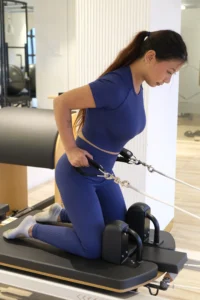
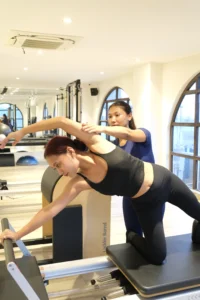
Pilates can be practised on a mat or using specialized equipment such as the Reformer machine. The movements are controlled, precise, and synchronised with breathing techniques.
Key Principles of Pilates
- Concentration
- Control
- Precision
- Breathing
- Flow
- Centering
Benefits of Pilates
- Improves core strength
- Enhances posture and alignment
- Increases flexibility and mobility
- Tones muscles without bulk
- Supports injury prevention
- Helps relieve lower back pain
- Improves balance and coordination
Pilates is particularly popular among athletes, dancers, rehabilitation patients, and people seeking a low-impact workout.
What Is Yoga?
Yoga is an ancient practice that originated in India over 5,000 years ago. It combines physical postures, breathing exercises, and meditation to promote harmony between the mind and body.
Unlike Pilates, yoga places equal emphasis on physical, mental, and spiritual well-being.
Main Components of Yoga
- Physical poses (Asanas)
- Controlled breathing (Pranayama)
- Meditation and mindfulness
- Relaxation techniques
Benefits of Yoga
- Improves flexibility
- Reduces stress and anxiety
- Enhances balance and posture
- Promotes mindfulness
- Strengthens muscles
- Supports cardiovascular health
- Improves sleep quality
- Boosts emotional well-being
Yoga comes in various styles, including:
- Hatha Yoga
- Vinyasa Yoga
- Power Yoga
- Ashtanga Yoga
- Yin Yoga
- Bikram Yoga
Pilates vs. Yoga: Understanding the Key Differences
Although Pilates and Yoga share several similarities, they differ significantly in their purpose and execution.
1. Focus and Purpose
Pilates
Pilates primarily focuses on:
- Core strength
- Muscle toning
- Stability
- Posture correction
- Functional movement
Yoga
Yoga focuses on:
- Flexibility
- Relaxation
- Mindfulness
- Stress reduction
- Spiritual balance
2. Breathing Techniques
Pilates Breathing
In Pilates, breathing is coordinated with movements to activate the core muscles effectively.
Yoga Breathing
Yoga incorporates deep breathing techniques called Pranayama, which help calm the nervous system and improve mental clarity.
3. Movement Style
Pilates
Movements are:
- Controlled
- Repetitive
- Precision-based
Yoga
Movements involve:
- Static poses
- Flow sequences
- Stretching and relaxation
4. Equipment Used
Pilates
Pilates can use:
- Mats
- Reformer machines
- Resistance bands
- Stability balls
Yoga
Yoga requires minimal equipment:
- Yoga mat
- Yoga blocks
- Straps
- Bolsters
5. Mental and Spiritual Elements
Pilates
Pilates emphasises body awareness and concentration but does not involve meditation or spirituality.
Yoga
Yoga integrates:
- Meditation
- Mindfulness
- Breathing practices
- Spiritual growth
Similarities Between Pilates and Yoga
Despite their differences, Pilates and yoga have many things in common:
Low-Impact Exercise
Both workouts are gentle on the joints and suitable for people of all ages.
Improved Flexibility
Regular practice helps increase mobility and range of motion.
Better Posture
Both exercises strengthen muscles that support proper alignment.
Stress Relief
Each practice promotes relaxation and overall wellness.
Suitable for Beginners
Pilates and yoga can be adapted to various fitness levels.
Pilates vs. Yoga for Weight Loss
One of the most common questions people ask is the following:
Which is better for weight loss-Pilates or yoga?
The answer depends on the type and intensity of the workout.
Pilates for Weight Loss
Pilates helps:
- Build lean muscle
- Increase metabolism
- Improve body composition
- Tone the abdomen and core
Because muscle tissue burns more calories than fat, Pilates can contribute to long-term weight management.
Best Pilates Exercises for Weight Loss
- Hundred
- Leg circles
- Roll-ups
- Plank variations
- Teaser
Yoga for Weight Loss
Dynamic forms of yoga such as
- Power Yoga
- Vinyasa Yoga
- Ashtanga Yoga
can burn significant calories and improve cardiovascular health.
Yoga also helps reduce stress, which can prevent emotional eating and support healthy lifestyle habits.
Pilates vs. Yoga for Flexibility
When comparing flexibility, yoga generally has an advantage.
Yoga Improves:
- Hamstring flexibility
- Hip mobility
- Shoulder mobility
- Spinal flexibility
Styles like Yin Yoga and Hatha Yoga are especially beneficial for increasing flexibility.
Pilates improves:
- Functional flexibility
- Joint mobility
- Muscle balance
Pilates vs. Yoga for Core Strength
If core strength is your primary goal, Pilates is often the better choice.
Pilates targets:
- Transverse abdominis
- Obliques
- Pelvic floor muscles
- Lower back muscles
A strong core helps:
- Improve posture
- Prevent injuries
- Enhance athletic performance
- Reduce back pain
Pilates vs. Yoga for Stress Relief
Yoga excels when it comes to relaxation and mental wellness.
Yoga Can Help:
- Lower cortisol levels
- Reduce anxiety
- Improve mood
- Enhance sleep quality
- Promote mindfulness
Meditation and breathing exercises make yoga an effective stress-management tool.
Pilates vs. Yoga for Back Pain
Both forms of exercise can help alleviate back pain when performed correctly.
Pilates for Back Pain
Pilates strengthens the muscles that support the spine, making it beneficial for:
- Chronic lower back pain
- Poor posture
- Weak abdominal muscles
Yoga for Back Pain
Yoga improves:
- Flexibility
- Muscle tension
- Stress levels
Gentle yoga poses can provide relief from stiffness and discomfort.
Pilates vs. Yoga for Beginners
Both are beginner-friendly, but the best choice depends on your goals.
Choose Pilates If You Want:
- Better posture
- Stronger core
- Muscle toning
- Injury rehabilitation
Choose Yoga If You Want:
- Stress reduction
- Improved flexibility
- Mindfulness
- Relaxation
Beginners can start with:
Beginner Pilates
- Pelvic curl
- Single-leg stretch
- Toe taps
- Spine twist
Beginner Yoga Poses
- Child’s Pose
- Downward Dog
- Mountain Pose
- Cat-Cow Stretch
Pilates vs. Yoga for Seniors
Older adults can benefit greatly from both forms of exercise.
Pilates Helps Seniors By:
- Improving balance
- Strengthening muscles
- Supporting mobility
- Preventing falls
Yoga Helps Seniors By:
- Enhancing flexibility
- Reducing stress
- Supporting joint health
- Improving breathing
Both exercises are low-impact and can be modified for different abilities.
Pilates vs. Yoga for Posture
Poor posture has become increasingly common due to prolonged sitting and screen time.
Pilates Improves Posture Through the Following:
- Core strengthening
- Spinal alignment
- Muscle balance
Yoga improves posture through the following:
- Stretching tight muscles
- Enhancing body awareness
- Increasing flexibility
Combining both practices can significantly improve posture and reduce discomfort.
Can You Do Pilates and Yoga Together?
Absolutely.
Many fitness experts recommend combining Pilates and Yoga because they complement each other.
Benefits of Combining Pilates and Yoga
- Improved flexibility
- Enhanced strength
- Better posture
- Reduced stress
- Increased body awareness
- Greater balance and coordination
Weekly Routine Example
| Day | Activity |
|---|---|
| Monday | Pilates |
| Tuesday | Yoga |
| Wednesday | Rest |
| Thursday | Pilates |
| Friday | Yoga |
| Saturday | Mixed Session |
| Sunday | Recovery |
Who Should Choose Pilates?
Pilates may be ideal for people who
- Want stronger core muscles
- Need posture correction
- Are recovering from injuries
- Want toned muscles
- Need improved balance
- Prefer structured workouts
Athletes and people with sedentary lifestyles often benefit greatly from Pilates.
Who Should Choose Yoga?
Yoga may be the right choice if you:
- Want to reduce stress
- Seek improved flexibility
- Enjoy meditation
- Need better sleep
- Want emotional balance
- Prefer a holistic approach to fitness
Yoga is suitable for individuals of all ages and fitness levels.
Common Misconceptions About Pilates and Yoga
Myth 1: Pilates and Yoga Are the Same
Although they share similarities, their goals and techniques are different.
Myth 2: They Are Only for Women
Pilates and yoga are beneficial for everyone, regardless of gender.
Myth 3: You Must Be Flexible to Practice Yoga
Flexibility improves over time. Beginners are welcome at any flexibility level.
Myth 4: Pilates Is Easy
Pilates can be challenging and highly effective for building strength.
Final Verdict: Pilates vs. Yoga
The answer to the question “Pilates vs. Yoga: Which exercise is right for you?” ultimately depends on your personal goals.
Choose Pilates If:
✔ You want a stronger core.
✔ You wish to improve posture.
✔ You are recovering from injury.
✔ You want muscle toning and stability.
Choose yoga if:
✔ You want better flexibility.
✔ You seek stress relief.
✔ You enjoy mindfulness and meditation.
✔ You want a holistic approach to health.
Why Not Enjoy Both?
Pilates and yoga are not competitors-they complement each other beautifully. Combining both can provide the perfect balance of strength, flexibility, and mental wellness.
No matter which path you choose, consistency is the key to experiencing long-term benefits and achieving a healthier lifestyle.
Frequently Asked Questions
Is Pilates better than Yoga?
Neither is universally better. Pilates focuses on core strength and posture, while Yoga emphasizes flexibility, relaxation, and mindfulness. The best choice depends on your fitness goals.
Which burns more calories, Pilates or Yoga?
Dynamic forms of Yoga, such as Power Yoga and Vinyasa Yoga, can burn more calories. However, Pilates helps build lean muscle, which may boost metabolism over time.
Can beginners do Pilates and Yoga?
Yes. Both practices are beginner-friendly and can be modified according to fitness level and physical ability.
Is Pilates good for weight loss?
Yes. Pilates helps build lean muscle, improve body composition, and support long-term weight management when combined with a healthy diet.
Which is better for flexibility: Pilates or Yoga?
Yoga is generally better for improving flexibility, although Pilates also enhances mobility and functional flexibility.
Can I do Pilates and Yoga on the same day?
Yes. Many people combine Pilates and Yoga in a single routine to enjoy the benefits of both strength training and relaxation.
Is Pilates harder than yoga?
The difficulty level depends on the style and intensity. Advanced Pilates and Power Yoga can both be physically demanding.
How many times a week should I practise Pilates or yoga?
Practising 3–5 times per week is generally recommended to experience noticeable improvements in strength, flexibility, and overall well-being.