If you’re planning to start your fitness journey, you’ve probably come across the debate about yoga vs. Pilates. Both are popular mind-body workouts that improve strength, flexibility, posture, and overall well-being. However, many beginners struggle to decide which one is the better choice for their personal fitness goals.
The truth is that there is no one-size-fits-all answer. The best option depends on what you want to achieve. Are you looking to improve flexibility? Build a stronger core? Lose weight? Reduce stress? Recover from an injury? Understanding the difference between Yoga and Pilates can help you make the right decision.
While Yoga has been practiced for thousands of years as a holistic discipline that combines physical postures, breathing, and meditation, Pilates is a modern exercise system focused on core stability, controlled movement, and functional strength. Both offer impressive physical and mental health benefits, making them excellent choices for people of all ages and fitness levels.
In this guide, we’ll compare Yoga vs Pilates, explore their benefits, and help you determine which workout aligns best with your goals.
What Is Yoga?
Yoga is an ancient practice that originated in India more than 5,000 years ago. It combines physical poses (asanas), breathing techniques (pranayama), and meditation to improve physical, mental, and emotional well-being.
Unlike many traditional workouts, yoga focuses on creating harmony between the body and mind. It encourages mindfulness while improving flexibility, balance, and muscular endurance.
Popular Types of Yoga
- Hatha Yoga
- Vinyasa Yoga
- Ashtanga Yoga
- Yin Yoga
- Power Yoga
- Restorative Yoga
Key Benefits of Yoga
- Improves flexibility
- Reduces stress and anxiety
- Enhances balance
- Promotes better breathing
- Improves posture
- Supports better sleep
- Increases body awareness
- Encourages mindfulness and relaxation
Yoga is suitable for beginners, older adults, athletes, and anyone looking to improve overall wellness through gentle yet effective movement.
What Is Pilates?
Pilates is a low-impact exercise method developed by Joseph Pilates during the early 20th century. Originally designed for rehabilitation, Pilates has evolved into one of the world’s most effective forms of functional fitness training.
Pilates primarily focuses on strengthening the core muscles, improving posture, enhancing stability, and developing better movement patterns.
There are two main forms:
Mat Pilates
Performed using body weight on a yoga mat.
Reformer Pilates
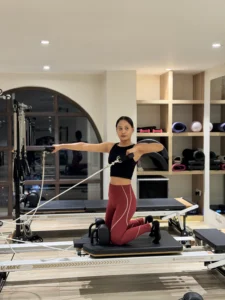
Uses a specially designed machine with springs that provide resistance for more challenging workouts.
Benefits of Pilates
- Builds core strength
- Improves posture
- Supports injury rehabilitation
- Enhances balance
- Develops lean muscle
- Improves flexibility
- Reduces back pain
- Increases functional mobility
Many physical therapists recommend Pilates as part of rehabilitation because of its controlled movements and low-impact nature.
Yoga vs Pilates: Key Differences
| Feature | Yoga | Pilates |
|---|---|---|
| Origin | Ancient India | Developed by Joseph Pilates |
| Focus | Mind-body connection | Core strength and stability |
| Breathing | Deep mindful breathing | Controlled breathing with movement |
| Flexibility | Excellent | Good |
| Core Strength | Moderate | Excellent |
| Meditation | Integral part | Minimal |
| Equipment | Usually none | Mat or Reformer |
| Muscle Toning | Moderate | High |
| Weight Loss | Moderate | Moderate to High |
| Stress Relief | Excellent | Very Good |
| Rehabilitation | Helpful | Excellent |
| Suitable for Beginners | Yes | Yes |
Yoga Benefits
When comparing Yoga vs Pilates, Yoga stands out for its ability to improve both physical and mental health.
Improves Flexibility
Yoga stretches muscles, tendons, and joints, gradually increasing mobility and reducing stiffness.
Reduces Stress
Breathing exercises and meditation activate the body’s relaxation response, helping lower stress levels.
Supports Mental Wellness
Regular Yoga practice improves concentration, mindfulness, and emotional resilience.
Better Sleep
People who practice Yoga consistently often experience improved sleep quality due to reduced stress and increased relaxation.
Improves Joint Health
Gentle stretching promotes healthy joint movement while reducing muscle tightness.
Pilates Benefits
Pilates excels when the goal is improving posture, stability, and functional strength.
Builds a Strong Core
Pilates targets the deep abdominal muscles that support the spine and pelvis.
Improves Posture
By strengthening the muscles responsible for alignment, Pilates helps reduce poor posture caused by long hours of sitting.
Relieves Back Pain
Many people suffering from mild chronic back pain find relief through properly guided Pilates exercises.
Increases Muscle Tone
Pilates develops lean, toned muscles without adding excessive bulk.
Better Balance
Strengthening stabilizing muscles improves coordination and reduces the risk of falls.
Yoga vs Pilates for Weight Loss
One of the most common questions is whether Yoga vs Pilates is better for weight loss.
Neither workout burns calories as quickly as high-intensity cardio, but both contribute to healthy weight management.
Yoga helps by:
- Reducing stress-related eating
- Improving metabolism
- Encouraging mindful eating
- Supporting consistency
Pilates helps by:
- Building lean muscle
- Increasing calorie burn through strength training
- Improving metabolism
- Enhancing overall body composition
If weight loss is your primary goal, Pilates may offer a slight advantage because of its greater emphasis on muscle engagement. However, combining either practice with a balanced diet and regular physical activity produces the best results.
Yoga vs Pilates for Beginners
Both are beginner-friendly.
Choose yoga if you want:
- Better flexibility
- Relaxation
- Stress relief
- Mindfulness
- Gentle exercise
Choose Pilates if you want:
- Core strength
- Better posture
- Muscle toning
- Rehabilitation
- Functional fitness
Beginners should start with certified instructors to learn proper technique and reduce the risk of injury.
Yoga vs Pilates for Back Pain
Back pain is often linked to weak core muscles, poor posture, or prolonged sitting.
Yoga improves mobility and stretches tight muscles around the spine.
Pilates strengthens the muscles supporting the lower back and pelvis.
For many individuals, Pilates is especially effective for posture-related discomfort, while Yoga can complement it by improving flexibility. If you have persistent or severe back pain, consult a healthcare professional before beginning either programme.
Yoga vs Pilates for Flexibility
When comparing Yoga vs Pilates for flexibility, yoga generally offers greater improvements because sessions include longer-held stretches targeting multiple muscle groups.
Pilates also enhances flexibility, but it focuses more on controlled movement combined with strength. This balance helps improve mobility while maintaining joint stability.
Yoga vs Pilates for Core Strength
Pilates is widely recognised as one of the most effective methods for developing core stability.
Almost every Pilates exercise activates the abdominal muscles, lower back, pelvic floor, and hips.
Yoga also strengthens the core through poses such as plank, boat pose, and side plank, but its broader emphasis on flexibility, breathing, and mindfulness means core training is one part of the practice rather than the primary focus.
Can You Combine Yoga and Pilates?
Absolutely.
Many fitness professionals recommend combining both practices to enjoy the best of each.
A balanced weekly routine could include:
- 2–3 Pilates sessions for strength and posture
- 2–3 Yoga sessions for flexibility and recovery
- 1–2 rest or light activity days
This combination supports mobility, strength, stress management, and overall physical well-being.
Frequently Asked Questions
Is yoga better than Pilates?
Neither is universally better. The right choice depends on your goals, fitness level, and personal preferences.
Which burns more calories?
Pilates generally burns slightly more calories due to its emphasis on continuous muscular engagement.
Can beginners do Pilates?
Yes. Mat Pilates is an excellent starting point for beginners.
Is yoga enough exercise?
Yoga improves flexibility, balance, and mental wellness, but many people benefit from combining it with strength or cardio training.
Can I do yoga and Pilates on the same day?
Yes, as long as you listen to your body and allow adequate recovery.
Conclusion
The debate around Yoga vs Pilates doesn’t have a single winner because both offer unique benefits. Yoga is ideal for improving flexibility, reducing stress, enhancing mindfulness, and supporting overall wellness. Pilates, on the other hand, is highly effective for building core strength, improving posture, increasing muscle tone, and aiding rehabilitation.
If your goal is greater flexibility and relaxation, Yoga may be the better fit. If you want a stronger core, better posture, and functional strength, Pilates is an excellent choice. Many people discover that combining both practices creates the most balanced approach to fitness, helping them become stronger, more flexible, and mentally refreshed.
Remember that results vary from person to person. Consistency, proper guidance, and a healthy lifestyle are key to long-term success.
Start Your Wellness Journey with Ritual Centre
Still deciding between yoga and Pilates? At Ritual Centre, our experienced instructors can help you choose the practice that aligns with your goals, whether you’re looking to improve flexibility, build strength, reduce stress, or enhance your overall well-being.
Book a trial class today and discover how yoga, Pilates, or a combination of both can support a healthier, stronger, and more balanced lifestyle.
Join Our Pilates Community
📞 Call Us
+91 69130 30757
✉️ Email Us
📍 Visit Our Studio
Ritual Centre
5th Floor, Nikita Pinnacle,
Adjacent to Bank of Baroda,
Opposite Taj Vivanta, Jaya Nagar,
Khanapara, Guwahati, Assam – 781022